


A sample scenario, OFNs proposal on shifting external hard currency debt into peso bonds
Let us assume that today (July 2010) we have targeted to shift 1 billion dollars of maturing external debt in three months time say October 2010 into OFN held peso bonds. The bureau of the treasury would need to have about 47 billion pesos (in dollars) to pay off the debt by October.
Assuming the decision is to issue 1000 peso denominated zeros with a required rate of return at 8 percent per annum redeemable in 10 years.
Such an instrument would have a value of 463 pesos on a straight annual discount of 8 percent. Factoring in equivalent coupon rated bonds bearing the same 8 percent rate at a semi-annual payment, the instrument would only have a value of 456 pesos (a difference of 7 pesos per bond). The lower amount is what the BT will receive from the ODF (456) while the higher amount (463) is the price of the bond that will be passed on to the subscribers in OFN organizations. The ODF in this example makes a margin of 7 pesos per bond.
To raise 47 billion pesos BT will issue 105,264,000 bonds (1000 peso par). By printing different denomination values (100 bonds, 500 bonds, and 1000 bonds in one sheet) the number of physical bearer instruments can be reduced to about 222, 000 pieces. These bearer instruments get consigned to the ODF as needed. For the whole period of July and August the ODF get commitments and escrow of funds from OFO's (overseas Filipino organizations). By September when the whole issuance had been physically printed, physical transfers are made to the individuals in the OFO's and their escrowed dollars or hard currencies are transferred to the account of BT. Upon accumulation of the 1 billion dollars BT settles the debt with the external creditor. If the buy down process of negotiations during this period yields a payment of 70 cents on the dollar then BT saves 300 million dollars and proceeds to apply this to the next maturing debt or try to use the amount to buy externally held Philippine debt papers in the secondary market.
For this issuance the ODF and the OFO's will have earned 736,848,000 PH Pesos or roughly $16 million. i.e. $ 8 million for the ODF and $8 million to the OFO's. It is up to the OFO's on how to compensate those individuals in their organizations that are active in promoting these bonds but the bottom line is that the subscriber to the bonds will not pay more than 463 pesos for each bond. 736 million pesos represents 157 basis points of the bond proceeds and only 79 basis points of the bonds redemption value in 2020.
If the bonds included a sticky feature like a 100,000 peso monthly winning for the ten year duration then the ODF will have to deposit in escrow (with the PCSO which will handle the lottery) the equivalent of 12 million pesos plus projected lottery cost (hopefully to be covered by interest earnings of the escrowed amount) from which fund the monthly 100,000 peso will be paid out to the bond lottery winner. The minimum odds of winning here every month would be 100/105,264,000.
The denomination breakdowns of the 222,000 pieces of bearer instruments are as follows:
Since the bonds are bearer instruments and can be sold in the secondary bonds market the sticky features are designed so that the Bonds would tend to stick with the first buyer up to maturity. However these sticky features would be carried over to the current bond holder when such bonds are indeed released into the secondary market. However an OFO or individual must have 100,000 dollars worth of bonds in par value at the current exchange rate when executing a nomination vote of a particular prospective director in the ODF.
So for this first hypothetical issuance we need a maximum of 222,000 individuals to participate. About a hundred thousand with a thousand dollars; 52 thousand with five thousand dollars; and about 70,000 with ten thousand dollars. 222 thousand is about 2 percent of 11 million overseas Filipinos.
Assuming the decision is to issue 1000 peso denominated zeros with a required rate of return at 8 percent per annum redeemable in 10 years.
Such an instrument would have a value of 463 pesos on a straight annual discount of 8 percent. Factoring in equivalent coupon rated bonds bearing the same 8 percent rate at a semi-annual payment, the instrument would only have a value of 456 pesos (a difference of 7 pesos per bond). The lower amount is what the BT will receive from the ODF (456) while the higher amount (463) is the price of the bond that will be passed on to the subscribers in OFN organizations. The ODF in this example makes a margin of 7 pesos per bond.
To raise 47 billion pesos BT will issue 105,264,000 bonds (1000 peso par). By printing different denomination values (100 bonds, 500 bonds, and 1000 bonds in one sheet) the number of physical bearer instruments can be reduced to about 222, 000 pieces. These bearer instruments get consigned to the ODF as needed. For the whole period of July and August the ODF get commitments and escrow of funds from OFO's (overseas Filipino organizations). By September when the whole issuance had been physically printed, physical transfers are made to the individuals in the OFO's and their escrowed dollars or hard currencies are transferred to the account of BT. Upon accumulation of the 1 billion dollars BT settles the debt with the external creditor. If the buy down process of negotiations during this period yields a payment of 70 cents on the dollar then BT saves 300 million dollars and proceeds to apply this to the next maturing debt or try to use the amount to buy externally held Philippine debt papers in the secondary market.
For this issuance the ODF and the OFO's will have earned 736,848,000 PH Pesos or roughly $16 million. i.e. $ 8 million for the ODF and $8 million to the OFO's. It is up to the OFO's on how to compensate those individuals in their organizations that are active in promoting these bonds but the bottom line is that the subscriber to the bonds will not pay more than 463 pesos for each bond. 736 million pesos represents 157 basis points of the bond proceeds and only 79 basis points of the bonds redemption value in 2020.
If the bonds included a sticky feature like a 100,000 peso monthly winning for the ten year duration then the ODF will have to deposit in escrow (with the PCSO which will handle the lottery) the equivalent of 12 million pesos plus projected lottery cost (hopefully to be covered by interest earnings of the escrowed amount) from which fund the monthly 100,000 peso will be paid out to the bond lottery winner. The minimum odds of winning here every month would be 100/105,264,000.
The denomination breakdowns of the 222,000 pieces of bearer instruments are as follows:
100,000 with 100 bondsThis means that the minimum buy in amount for a subscriber would be approximately 1,000 dollars; the next denomination about 5,000 dollars; and the largest would be 10,000 dollars. Given an approximate cost of printing at 10 pesos per unit, cost of printing on currency grade security paper would be approximately 2 million pesos. It is expected that worldwide road shows will be conducted as well as other advertising and promotional expenses. A net margin of about 4.7 million pesos is expected for this issuance after staff salaries and other compensation for the period are accounted for.
52,000 with 500 bonds
70,000 with 1000 bonds
Since the bonds are bearer instruments and can be sold in the secondary bonds market the sticky features are designed so that the Bonds would tend to stick with the first buyer up to maturity. However these sticky features would be carried over to the current bond holder when such bonds are indeed released into the secondary market. However an OFO or individual must have 100,000 dollars worth of bonds in par value at the current exchange rate when executing a nomination vote of a particular prospective director in the ODF.
So for this first hypothetical issuance we need a maximum of 222,000 individuals to participate. About a hundred thousand with a thousand dollars; 52 thousand with five thousand dollars; and about 70,000 with ten thousand dollars. 222 thousand is about 2 percent of 11 million overseas Filipinos.
More Articles from GRR:
- A Partnership for Progress
- Mobilizing Overseas Filipino Investment Remittance through a Philippine "Marshall Plan"
- Get the picture? The Philippine DEBT - from EDSA to the stolen election of 2004!
- Gloria Arroyo's Lies Not Even Close!
- The First 100 Days of Pres. Benigno C. AQUINO III
- Expectations from a Noynoy Aquino Presidency.
- One Hundred and a Thousand Days – then a Thousand More!
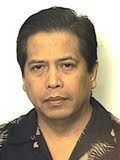 Gil R. Ramos Ph.d. finished his Doctorate in Monetary Economics and Masters in Population Economics at the University of Hawaii. He did his AB Economics and also a Masters in Urban Regional Planning both at the University of the Philippines. He currently teaches MBA students at the (New Jersey City University) NJCU in Managerial Economics, Corporate Financial Management, and Managerial Information Systems. He runs his own consulting firm GRR Analytics based in the New York / New Jersey area.
 Subscribe in a reader
POGB will not sell, exchange, use or allow any 3rd party access to your email for
any other purposes without exception, email exclusively for article updates only.
 Filipinos
 Filipino-Americans
 Overseas Filipinos
 Labels:
Economic Empowerment,
Economy,
Filipino-Americans,
Filipinos,
OFW,
OFW Bonds
Labels:
Economic Empowerment,
Economy,
Filipino-Americans,
Filipinos,
OFW,
OFW Bonds

 Politics