


The First 100 Days of Pres. Benigno C. AQUINO III
It cannot be BUSINESS AS USUAL! Even the usual count as to how many Presidents we have had perhaps must be changed.
Benigno C. Aquino III. could be the 16th or the 17th or the 18th President of the Philippines (Andres Bonifacio who was assasinated on May 10, 1897 was always the first.).
It is important to recognize Andres Bonifacio as the First President of our Archipelago. While the term Philippines was not used in the documents of the Tagalog Sovereign Republic which Bonifacio headed - the term Katagalugan was meant to refer to the entire Philippine Islands. Bonifacio and Jacinto avoided the use of Filipino because at that time the term referred to Spaniards born in the Philippine Islands; all the rest were either called indios or sangleys or mestizos. Clearly the Tagalog Republic by eschewing the use of 'Filipino' wanted to form its own separate and independent national identity divorced from any colonial trappings.
All putative republics from that declared in Tejeros and also the one declared in Biak-na-Bato invoked as their authority the first act of the Tagalog Republic on August 24, 1896 (cry of Pugad Lawin) when it declared the existence of a state of war (the revolution) between itself and the monarchy of Spain. The conventional wisdom among Philippine historians is not to refer to Andres Bonifacio as the first President of our Islands. This can be due to the conceptual difficulty involved in the omission of the term Filipino by the founders of our first republic. It could be also due to the nature of how our First President's life (Andres Bonifacio) was ended on May 10, 1897 in the hands of Lazaro Macapagal a henchman of Aguinaldo after he (Bonifacio) refused to recognize the government established in Tejeros. This was in no doubt helped by the longevity of Emilio Aguinaldo who died only in trhe 1960's as he insisted on his self serving version of history which tended to exonerate him from or justify the murder and assassination of our First President Andres Bonifacio.
A more exhaustive discussion would be required here to ascertain the numeric assignment of the incoming administration, but since President-elect Noynoy Aquino wants to do things differently both symbolically and substantially he could start by affirming that his presidency must be counted from a line starting with President Andres Bonifacio regardless of who else is counted in between..
In my mind, this is how history should be corrected to reflect an accurate list of presidents. The Presidents and the periods when they led our nation are as follows:
1. Andres Bonifacio August 24, 1896 - March 22, 1897
2. Emilio Aguinaldo March 22, 1897 - March 23, 1901
3. Miguel Malvar March 23, 1901 - April 13, 1902
4. Macario Sakay 1902 - Sept. 13, 1907
From 1907 to 1916 there was a Philippine Assembly led by Segio Osmena
From 1916 to 1935 there was a bicameral Philippine Legislature - the upper chamber - Senate was led by Manuel L Quezon
5. Manuel Quezon Nov 15, 1935 - August 1, 1944
6. Jose P. Laurel Oct 14, 1943 - August 17, 1945
7. Sergio Osmena Aug 1, 1944 - May 28, 1946
8. Manuel Roxas May 28, 1946 - April 15, 1948
9. Elpidio Quirino April 17, 1948 - Dec 30, 1953
10. Ramon Magsaysay Dec 30, 1953 - Mar 17, 1957
11. Carlos P. Garcia Mar 17, 1957 - Dec 30, 1961
12. Diosdado Macapagal Dec 30, 1961 - Dec 30, 1965
13. Ferdinand E. Marcos Dec 30, 1965 - Feb 25, 1986
14. Corazon C. Aquino Feb 25, 1986 - June 30, 1992
15. Fidel V. Ramos June 30, 1992 - June 30, 1998
16. Joseph Estrada June 30, 1998 - Jan 20, 2001
17. Gloria Macapagal Jan 20, 2001 - June 30, 2010
18. Benigno Noynoy Aquino June 30, 2010 - June 30, 2016
Regardless of the presidential sequence number, Prez Noynoy is expected to harness the best in every Filipino towards nation building. To accomplish such a daunting task he must address choke points in our society which has prevented our nation’s march towards sustained economic progress. The transformation required in this pursuit of national fulfillment will need the mobilization and unstinting support of overseas Filipinos to give full measure to the fight against POVERTY and CORRUPTION.
KUNG WALANG KURAP WALANG MAHIRAP!
It is in this spirit that we present several proposals for the incoming President for inclusion among the initiatives that he could launch in his first 100 days in office. Suggested areas of concern include corruption, jobs, and poverty. Although this three can be seen as separate concepts the scope and reach of the following initiatives cover the dynamic interrelation of all these issues.
Corruption.
Benigno C. Aquino III. could be the 16th or the 17th or the 18th President of the Philippines (Andres Bonifacio who was assasinated on May 10, 1897 was always the first.).
It is important to recognize Andres Bonifacio as the First President of our Archipelago. While the term Philippines was not used in the documents of the Tagalog Sovereign Republic which Bonifacio headed - the term Katagalugan was meant to refer to the entire Philippine Islands. Bonifacio and Jacinto avoided the use of Filipino because at that time the term referred to Spaniards born in the Philippine Islands; all the rest were either called indios or sangleys or mestizos. Clearly the Tagalog Republic by eschewing the use of 'Filipino' wanted to form its own separate and independent national identity divorced from any colonial trappings.
All putative republics from that declared in Tejeros and also the one declared in Biak-na-Bato invoked as their authority the first act of the Tagalog Republic on August 24, 1896 (cry of Pugad Lawin) when it declared the existence of a state of war (the revolution) between itself and the monarchy of Spain. The conventional wisdom among Philippine historians is not to refer to Andres Bonifacio as the first President of our Islands. This can be due to the conceptual difficulty involved in the omission of the term Filipino by the founders of our first republic. It could be also due to the nature of how our First President's life (Andres Bonifacio) was ended on May 10, 1897 in the hands of Lazaro Macapagal a henchman of Aguinaldo after he (Bonifacio) refused to recognize the government established in Tejeros. This was in no doubt helped by the longevity of Emilio Aguinaldo who died only in trhe 1960's as he insisted on his self serving version of history which tended to exonerate him from or justify the murder and assassination of our First President Andres Bonifacio.
A more exhaustive discussion would be required here to ascertain the numeric assignment of the incoming administration, but since President-elect Noynoy Aquino wants to do things differently both symbolically and substantially he could start by affirming that his presidency must be counted from a line starting with President Andres Bonifacio regardless of who else is counted in between..
In my mind, this is how history should be corrected to reflect an accurate list of presidents. The Presidents and the periods when they led our nation are as follows:
1. Andres Bonifacio August 24, 1896 - March 22, 1897
2. Emilio Aguinaldo March 22, 1897 - March 23, 1901
3. Miguel Malvar March 23, 1901 - April 13, 1902
4. Macario Sakay 1902 - Sept. 13, 1907
From 1907 to 1916 there was a Philippine Assembly led by Segio Osmena
From 1916 to 1935 there was a bicameral Philippine Legislature - the upper chamber - Senate was led by Manuel L Quezon
5. Manuel Quezon Nov 15, 1935 - August 1, 1944
6. Jose P. Laurel Oct 14, 1943 - August 17, 1945
7. Sergio Osmena Aug 1, 1944 - May 28, 1946
8. Manuel Roxas May 28, 1946 - April 15, 1948
9. Elpidio Quirino April 17, 1948 - Dec 30, 1953
10. Ramon Magsaysay Dec 30, 1953 - Mar 17, 1957
11. Carlos P. Garcia Mar 17, 1957 - Dec 30, 1961
12. Diosdado Macapagal Dec 30, 1961 - Dec 30, 1965
13. Ferdinand E. Marcos Dec 30, 1965 - Feb 25, 1986
14. Corazon C. Aquino Feb 25, 1986 - June 30, 1992
15. Fidel V. Ramos June 30, 1992 - June 30, 1998
16. Joseph Estrada June 30, 1998 - Jan 20, 2001
17. Gloria Macapagal Jan 20, 2001 - June 30, 2010
18. Benigno Noynoy Aquino June 30, 2010 - June 30, 2016
Regardless of the presidential sequence number, Prez Noynoy is expected to harness the best in every Filipino towards nation building. To accomplish such a daunting task he must address choke points in our society which has prevented our nation’s march towards sustained economic progress. The transformation required in this pursuit of national fulfillment will need the mobilization and unstinting support of overseas Filipinos to give full measure to the fight against POVERTY and CORRUPTION.
KUNG WALANG KURAP WALANG MAHIRAP!
It is in this spirit that we present several proposals for the incoming President for inclusion among the initiatives that he could launch in his first 100 days in office. Suggested areas of concern include corruption, jobs, and poverty. Although this three can be seen as separate concepts the scope and reach of the following initiatives cover the dynamic interrelation of all these issues.
Corruption.
- There should be full transparency in all fiscal matters. Members of all bidding committees in government offices should be known publicly. Their names and their current Statement of Assets and Liabilities should be posted in the internet on a yearly basis. As much as could be practicable this should also apply to all executive officers in government occupying positions with fiscal or with financial fiduciary responsibility. Corruption thrives in seclusion away from public view; Maggots wither and die when exposed to sunlight.
- Certify for congress approval a 'conflict of interest' law that clearly defines ethics required of a government employee as regards cases of conflict of interest.
- Announce an 'Isumbong mo kay Noynoy' program through franking privileges from the Barangay level. Pre-paid postage envelops addressed to Malacanang - should be distributed to Barangay officials and any citizen can request for this envelops from Barangay officers and send to Prez. Noynoy cases of corruption and evironmental degradation that they see in their locality.
- Take out corrupt and criminal elements from the age old numbers game of jueteng by legalizing under a system run by LGU's. Jueteng operations and its proceeds which should go to the social welfare fund of LGU's should be under strict supervision of the Department of Finance and DSWD.
- Stream line the implementation of Country Development Funds a.k.a. Pork Barrel, strengthen safeguards and regular and transparent audit to insure that FUNDS truly redound to the benefit of its beneficiaries and not as mere ATMs of congressmen and senators and other public officers.
- Direct the Justice Secretary designate to do the following:
Poverty
- a. Investigate the obstinate use of the Rule by Law/Selective application of the law over the Rule of law. Focus on large value cases and high profile personalities no matter how exalted the positions these personalities occupied in past administrations.
- b. Review of Comelec, its rules, regulations and transactions (9years), organization ( both national and regional ) to make it truly responsive to its constitutional mandate to safeguard the vote of the people. Uphold accountability of public officers, both past and present. Call all public figures who have info on syndicates to come out in the open and help. Comelec should not only be clean but also perceived as clean. Initiate investigation and if necessary, prosecute election fraud, including claims of those who say they were approached by people who offered to rigged the elections for them. In case of their refusal, hold them for obstruction of justice.
- c. Investigate all Government Financial Institutions and other GOCC's for the purpose of cutting the sinewy tentacles of criminal syndicates operating in these offices.
- d. OMBUDSMAN/SANDIGAN-revisit these agencies to make them real guardians of public and the anti-thesis of corruption in public office.
- e. Investigate POEA operations and related agencies e.g. OWWA, to streamline their rules for optimal delivery of their services and benefit to the OFW and to stop illegal operations involving POEA Personnel and illegal recruiters/criminal syndicates prying on Filipinos working and intending to work abroad e.g. Sentosa nurses and teachers stranded in Louisiana.
- f. Review of all pending contracts for the disposition/hypothecation of national patrimony e.g. Malampaya Oil and Gas company. Prevents profligate disposal of national patrimony at interest of few. Adopt transparency of transaction.
- Initiate soup kitchens and child milk supplemental feeding in the poorest areas in cooperation with LGU's.
- Prepare for relief efforts in the coming typhoon season. Be pro-active not just reactive. Establishment of a Relief Program with composite elements and LGU participation with a volunteer component that is proactive, taking stock of the OFW resources and the national experience from the past with emphasis on natural calamities and disasters that visit the country with certain regularity.
- Revisit and reinforce the existing housing sector initiative designed to fill the housing gap of about 3.8 million units in housing. Mobilize the Philippine Engineering Battalion components of the army and make them assist in filling this housing backlog.
- Direct the coast guards and Philippine Navy in coordination with LGU bantay dagat to patrol our inland waters more efficiently to prevent foreign poachers of the natural wealth of our seas from stealing food right out of our sustenance fisherman's mouths.
- Legalization of jueteng will move informal workers to the formal sector and improve their lot.
- Promote reforestation efforts in concert with LGU's. give this work to young people and pay at apprentice rates.
- Promote disaster prevention labor intensive efforts to absorb marginal and unemployed labor units. same as item2 - pay at apprentice rates.
- Promote labor intensive techniques of building houses and farm to market roads. Use wheelbarrows , motorcycle powered cargo sleds as well as carabao driven sleds, small coco-diesel powered water filled rolling tampers as well as manual tampers in building macadamized farm to market roads.
- Promote labor intensive techniques in building low cost houses. promote backyard kilns to fire Lego type bricks for use in building houses.
- Promote labor intensive techniques in building Agriculture Infrastructures like deep wells and irrigation systems.
- Liberalize dealings with 'informal vendors' . promote 'flea market' parks within each municipality where 'informal vendors' can freely ply their trade upon payment of required municipal permits. Require new road construction in urban centers to have wide sidewalks to accommodate pedestrians as well as sidewalk and Pushcart vendors.
- Free OFW Remittance- to encourage OFW to send more remittances during the first 100 days, remittance fee from accredited banks shall be free such as remittances sent through Postal Saving Bank in Philippine Consulates all over the world or to participating private banks. Dry run for delivery system of OFW National Development Funds.
- Establishment of OFW National Development Funds from OFW's worldwide. To be sold in pesos to OFW worldwide. Payment through Postal Savings Bank to be located in Philippine Consulates worldwide and other participating Phil.private banks. Delivery in the Philippines through Postal Savings bank and its branches all over the archipelago or the private participating bank, as the case may be. System and Incentives to be fleshed out first. Participating banks to get tax credits and breaks for participation.
- Use OFW bonds to fund Informal Sector Business. Micro business. Funded by funds from OFW bonds. Extends tax exemption to beneficiaries and exemption from minimum wage but not lower than apprentice rate provided minimum requirement of employees met. Insure that delivery system does not allow leakage and corrupt practices.
- Promote Micro Finance OFW Funds –part of Poverty Eradication Program (vs. Poverty Alleviation Program). LGU centered nationwide. Payment day to day. Account is individual. Fund micro traders in all public markets of the Philippines. Prevent small scale traders/ entrepreneurs such as market vendors, fishermen, vegetable farmers etc. from living on low net earnings made due to day to day money rent payments to informal lenders who charge very high rates. This distributor of funds can be an LGU based cooperative run by beneficiaries/members.
- Involve OFW communities in GOCC privatization and the sale of PCCG companies and assets. Part of the program on liquidation of PCCG within a year should be to make its assets available to OFW investors and other Filipinos. Revenues shall form part of the OFW National Development FUND to finance LGU based programs to eradicate poverty and to provide nation wide employment .
- Negotiate for treaty based non-visa entry to as wide a number of countries as possible so as to enhance the abilities of Filipinos to find jobs as OFW's. If non visa entry is not possible negotiate for entry into labor deficit countries on a job-seekers visa.
- Direct consulates to report fortnightly on job vacancies in their country postings as these job openings get posted in local media of their host countries.
- Direct incoming department secretaries to thin out their bureaucracy as much as possible by a third. Initiate a 50 day audit to determine individuals that could be let go without impairing government functions. Displaced government employees in this process will continue to receive their salaries for 3 months while they undergo retraining for absorption in the private sector (as employees or micro businessmen) or deployment as OFW's. Those of a certain age may be given early retirement benefits.
- Downsize the DFA. The DFA is bloated and choice positions in this part of the bureaucracy has become part of the political spoils system. Mobilize OFW communities to help promote Philippine interest in their host communities and appoint Community Consuls from among the recomendees of various OFW groups.
- Direct all Banks to report to the Central Bank their holdings of external dollar denominated Philippine debt papers from the secondary market or related derivative securities based on Philippine external debt. It is important to monitor the stock of this type of asset because this has implications on the independence of government policies. The risk aversion of banks in the Philippines may impair the governments ability to promote aggressive policies to cheapen the peso so as promote export competitiveness and increased OFW autonomous fund inflows.
- Encourage the PSE (Philippine Stock Exchange) to go into a mass education campaign to educate the public especially target OFW families about investment opportunities in the Philippine stock and bond markets.
- Direct the Bureau of the treasury to prepare a schedule of maturities for Philippine external debt. and program issuances of STDI bonds in pesos for sale to OFW's. Shifting the external debt to peso denominated bonds is advantageous to the Philippine government and since it would be OFW's subscribing to these issuances no crowding out of funds will occur domestically within the Philippines.
- Direct the Cooperative Development Authority (CDA) to promote credit union formation in all Philippine schools for teacher and school employee membership. The same should be pursued for all government offices. In coordination with the DSWD members of such credit unions will be given 'debt freedom' loans accessed from proceeds of OFW bond issuances. Such loans should be used to free the borrower from the high rates of charged on their existing loans from informal lenders.
- Encourage the formation of credit unions in private companies by giving tax deduction incentives and credits to such private companies that support credit unions.
- Initiate pilot projects within the navy and coast guard to self-build small patrol boats from local materials. Same with the airforce - they should be encouraged to build small air-craft on their own. Such aircraft should be seaplanes so as to be able to reach all points of our archipelago during good weather. This program would provide employment to those who would provide the navy and the air force to build their boats and planes and at the same time this would enhance our ability to patrol our coast and inland seas.
- Mobilize the Philippine civil Engineering battalions to inspect all aging major infrastructure in the country like dams and bridges to avoid disasters that my just be waiting to happen. Emergency repairs should be done if required immediately until long term fixes can be devised.
- Revive the old caminero system of maintaining macadam roads where neighboring barangay labor units are used to take care of designating particular stretches of roads.
- Implement aggressive property taxation and impose higher tax rates on idle real property of all types to encourage owners to make them productive or sell them to new owners who will make them productive.
- Order the AFP and the PNP to disarm all private armies within 100 days. Give reward to individuals who have knowledge of and will point out the location of armed caches.
- Review the role of Malaysia in the peace process and include the tradiional sultanates of the area including the sultanate of brunei and sulu. Also explore the possibility of including members of International Muslim NGO's as observers in the peace dialogue.
- Lowering our ICOR levels would mean plugging all the investment leakages that is caused by corruption, improving existing technology to practically the global state of the art in all aspects of production, exploring, discovering, and putting into production stream natural resources like .liquid petroleum gas and oil, systematically training the micro-businessmen in basic entrepreneurial skills, lowering transaction cost by building and reinventing a flat and service oriented and red-tape averse government bureaucracy both in the national as well as the local units, providing free constant and wherever possible internet based labor-skill enhancement continuing education to upgrade and maintain human capital quality up to global standards; adaptation of eco-friendly techniques for sustainable resource exploitation; promotion and enhancement of transportation and communication infrastructures to intensify economic interaction among Filipinos in domicile as well as those overseas; promoting universal access to health care to maintain a healthy and productive labor pool.
- We need to adopt drastic measures that would put the brakes on our careening population growth rates. A version of the one or two child policy of China through material incentives like tax credits can be resorted to. Legalization of voluntary abortion and sterilization has to be done. Material incentives can be combined with a mixture of publicity, exhortation, and perhaps even disincentives. Policies known in Singapore as "population disincentives" can be instituted to raise the costs of bearing third, fourth, and subsequent children. Without controlling our rapid population growth average living standards cannot improve. As large numbers of children and young people overwhelm our schools and our currently inadequate medical services, our savings rate would deteriorate and the ability of the economy to generate employment will be jeopardized. Things can develop to a point where our republican democracy may not survive because political stability may only be maintained at a huge real cost in our liberties as rebels and anarchist propose a Jacobin type of societal renewal since our present setup could not muster the political resolve to provide a better deal for the common man.
- A Partnership for Progress
- Mobilizing Overseas Filipino Investment Remittance through a Philippine "Marshall Plan"
- Get the picture? The Philippine DEBT - from EDSA to the stolen election of 2004!
- Gloria Arroyo's Lies Not Even Close!
- Expectations from a Noynoy Aquino Presidency.
- One Hundred and a Thousand Days – then a Thousand More!
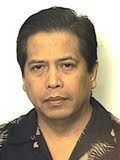 Gil R. Ramos Ph.d. finished his Doctorate in Monetary Economics and Masters in Population Economics at the University of Hawaii. He did his AB Economics and also a Masters in Urban Regional Planning both at the University of the Philippines. He currently teaches MBA students at the (New Jersey City University) NJCU in Managerial Economics, Corporate Financial Management, and Managerial Information Systems. He runs his own consulting firm GRR Analytics based in the New York / New Jersey area.
 Subscribe in a reader
POGB will not sell, exchange, use or allow any 3rd party access to your email for
any other purposes without exception, email exclusively for article updates only.
 Filipinos
  Filipino-Americans
  Overseas Filipinos


 Politics
 Corruption
 Scandals
 Philippine Politics


