Economics of hope
By Sylvia L. Mayuga
Philippine Daily Inquirer
Posted date: July 07, 2010
THE VERY DAY AFTER PRESIDENT NOYNOY Aquino’s inauguration, 180 overseas Pinoys paying their way from the United States, the United Kingdom, Canada, Australia and Saipan began a two-day conference on good governance at the Philippine Plaza Sofitel.
More obvious than their disposable wealth was their eagerness to help the new government they had worked hard to elect. These leaders had consulted their campaign chapters right after victory and agreed that there was nothing like a visit for updates, look in on P-Noy, and discuss what next right in the homeland.
Leading the charge was Loida Nicolas-Lewis, with her old anti-dictatorship sparring partner, lawyer pundit Rodel Rodis, who was pleasantly shocked when he was asked to represent overseas Filipinos in the “Panata ng Pagbabago” at the Aquino inaugural.
Their choices of whom to listen to at home were eloquent: Supreme Court Associate Justice Conchita Carpio-Morales whose dissenting opinions precede her, activist blogger Lila Shahani fresh from the Noy-Mar campaign, media good guys Maria Ressa, Cheche Lazaro and Mike Enriquez, Sen. Franklin Drilon who authored both the Dual Citizenship and Overseas Absentee Voting Acts, activist former senior government officials Karina David and Alran Bengzon, and long-standing Muslim leader Santanina Rasul.
New ideas popped like flashbulbs in a reunion of global Filipinos in a fluid moment of transition. Synching with a new President’s schedule meant sudden schedule changes as individual concerns flew thick and fast, like how well Filipinos at home used the media for clean elections, and how long overseas Filipinos must wait for corruption to be tamed enough to make capital investments without paying tong every step of the way.
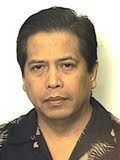
A rousing sociology of change was upon us, but what really struck this student of the Asian economic crisis and its related global economic crisis was the presentation by professor Gil Ramos. It soon became obvious why Nicolas-Lewis asked him to present his ideas after meeting him as recently as the Noy-Mar campaign.
This immigrant Fil-American professor worth his college degree and doctorate in economics also has master’s degrees in urban planning and demographic economics. He was teaching managerial economics in New Jersey University and consulting with private firms in New York when the idea of how to hoist Inang Bayan out of her deepening quagmire of debt came to him midway into the Arroyo years. But still traumatized by the systemic corruption he experienced firsthand while working for the Presidential Commission on Good Government in the 1980s, no way was he going to share it with Arroyo. He watched her chalking up a sovereign debt of P5 trillion in nine years where her three predecessors chalked up only P1.464 trillion combined. It was doubly galling that she had little to show for it in the lives of the Filipino majority.
But Ramos’ heart would not stop beating for a homeland whose potential for vibrant economic growth he was sure of, if only corruption could be stemmed. After a landslide victory for righteous rule for a global Filipino nation, it was time to speak up.
Simply put, he proposes an all-Filipino “Marshall Plan” for overseas Filipinos to invest savings beyond their regular “consumption remittances” for their families back home. He put two figures together to project a possible increase in investments: the average 11 percent savings rate of Fil-Americans and the latest total OFW remittances of $20 billion for 2010. Should they come together with confidence in the new Philippine government, remittances could double and even buy back dollar debts with pesos to control inflation.
What kind of resources are we talking about? Ramos’ research revealed that what he calls “the Overseas Filipino Nation” (OFN) earns 23 times more per capita than Filipinos at home. While the home country is caught in a terrible vise of population explosion and ballooning debt-funded deficit spending, the OFN ranks next only to Switzerland in per capita income. Macro estimates are even more dramatic: projected Philippine GDP ($189 billion) is only 37 percent of the projected GDP ($492 billion) of 11 million Filipinos worldwide in 2010.
It was proven again that the hard work and generosity of Filipino OFWs equaled by their love of family is our most precious resource when the opposite of fearful forecasts of shrinking OFW consumption remittances in a worsening global economic crisis happened. Instead they increased by a billion dollars.
There are many more details to this proposal but its overall look is win-win: buying time for a new government to lift a distressed homeland by its bootstraps while building up a good return on investment, both financial and moral.
The moment seems ripe for the challenge of loving the Philippines enough to rescue it with more long-term investments that could buy all a better Filipino future at home and abroad. Seize the day, P-Noy!
For details, please e-mail Gil Ramos.
Sylvia L. Mayuga is a former columnist and editor of Inquirer.net.
Philippine Daily Inquirer
Posted date: July 07, 2010
THE VERY DAY AFTER PRESIDENT NOYNOY Aquino’s inauguration, 180 overseas Pinoys paying their way from the United States, the United Kingdom, Canada, Australia and Saipan began a two-day conference on good governance at the Philippine Plaza Sofitel.
More obvious than their disposable wealth was their eagerness to help the new government they had worked hard to elect. These leaders had consulted their campaign chapters right after victory and agreed that there was nothing like a visit for updates, look in on P-Noy, and discuss what next right in the homeland.
Leading the charge was Loida Nicolas-Lewis, with her old anti-dictatorship sparring partner, lawyer pundit Rodel Rodis, who was pleasantly shocked when he was asked to represent overseas Filipinos in the “Panata ng Pagbabago” at the Aquino inaugural.
Their choices of whom to listen to at home were eloquent: Supreme Court Associate Justice Conchita Carpio-Morales whose dissenting opinions precede her, activist blogger Lila Shahani fresh from the Noy-Mar campaign, media good guys Maria Ressa, Cheche Lazaro and Mike Enriquez, Sen. Franklin Drilon who authored both the Dual Citizenship and Overseas Absentee Voting Acts, activist former senior government officials Karina David and Alran Bengzon, and long-standing Muslim leader Santanina Rasul.
New ideas popped like flashbulbs in a reunion of global Filipinos in a fluid moment of transition. Synching with a new President’s schedule meant sudden schedule changes as individual concerns flew thick and fast, like how well Filipinos at home used the media for clean elections, and how long overseas Filipinos must wait for corruption to be tamed enough to make capital investments without paying tong every step of the way.
A rousing sociology of change was upon us, but what really struck this student of the Asian economic crisis and its related global economic crisis was the presentation by professor Gil Ramos. It soon became obvious why Nicolas-Lewis asked him to present his ideas after meeting him as recently as the Noy-Mar campaign.
This immigrant Fil-American professor worth his college degree and doctorate in economics also has master’s degrees in urban planning and demographic economics. He was teaching managerial economics in New Jersey University and consulting with private firms in New York when the idea of how to hoist Inang Bayan out of her deepening quagmire of debt came to him midway into the Arroyo years. But still traumatized by the systemic corruption he experienced firsthand while working for the Presidential Commission on Good Government in the 1980s, no way was he going to share it with Arroyo. He watched her chalking up a sovereign debt of P5 trillion in nine years where her three predecessors chalked up only P1.464 trillion combined. It was doubly galling that she had little to show for it in the lives of the Filipino majority.
But Ramos’ heart would not stop beating for a homeland whose potential for vibrant economic growth he was sure of, if only corruption could be stemmed. After a landslide victory for righteous rule for a global Filipino nation, it was time to speak up.
Simply put, he proposes an all-Filipino “Marshall Plan” for overseas Filipinos to invest savings beyond their regular “consumption remittances” for their families back home. He put two figures together to project a possible increase in investments: the average 11 percent savings rate of Fil-Americans and the latest total OFW remittances of $20 billion for 2010. Should they come together with confidence in the new Philippine government, remittances could double and even buy back dollar debts with pesos to control inflation.
What kind of resources are we talking about? Ramos’ research revealed that what he calls “the Overseas Filipino Nation” (OFN) earns 23 times more per capita than Filipinos at home. While the home country is caught in a terrible vise of population explosion and ballooning debt-funded deficit spending, the OFN ranks next only to Switzerland in per capita income. Macro estimates are even more dramatic: projected Philippine GDP ($189 billion) is only 37 percent of the projected GDP ($492 billion) of 11 million Filipinos worldwide in 2010.
It was proven again that the hard work and generosity of Filipino OFWs equaled by their love of family is our most precious resource when the opposite of fearful forecasts of shrinking OFW consumption remittances in a worsening global economic crisis happened. Instead they increased by a billion dollars.
There are many more details to this proposal but its overall look is win-win: buying time for a new government to lift a distressed homeland by its bootstraps while building up a good return on investment, both financial and moral.
The moment seems ripe for the challenge of loving the Philippines enough to rescue it with more long-term investments that could buy all a better Filipino future at home and abroad. Seize the day, P-Noy!
For details, please e-mail Gil Ramos.
Sylvia L. Mayuga is a former columnist and editor of Inquirer.net.
 Subscribe in a reader
POGB will not sell, exchange, use or allow any 3rd party access to your email for
any other purposes without exception, email exclusively for article updates only.
 Filipinos
 Filipino-Americans
 Overseas Filipinos